Why Sodium-Ion Batteries are the Future of Grid Resilience
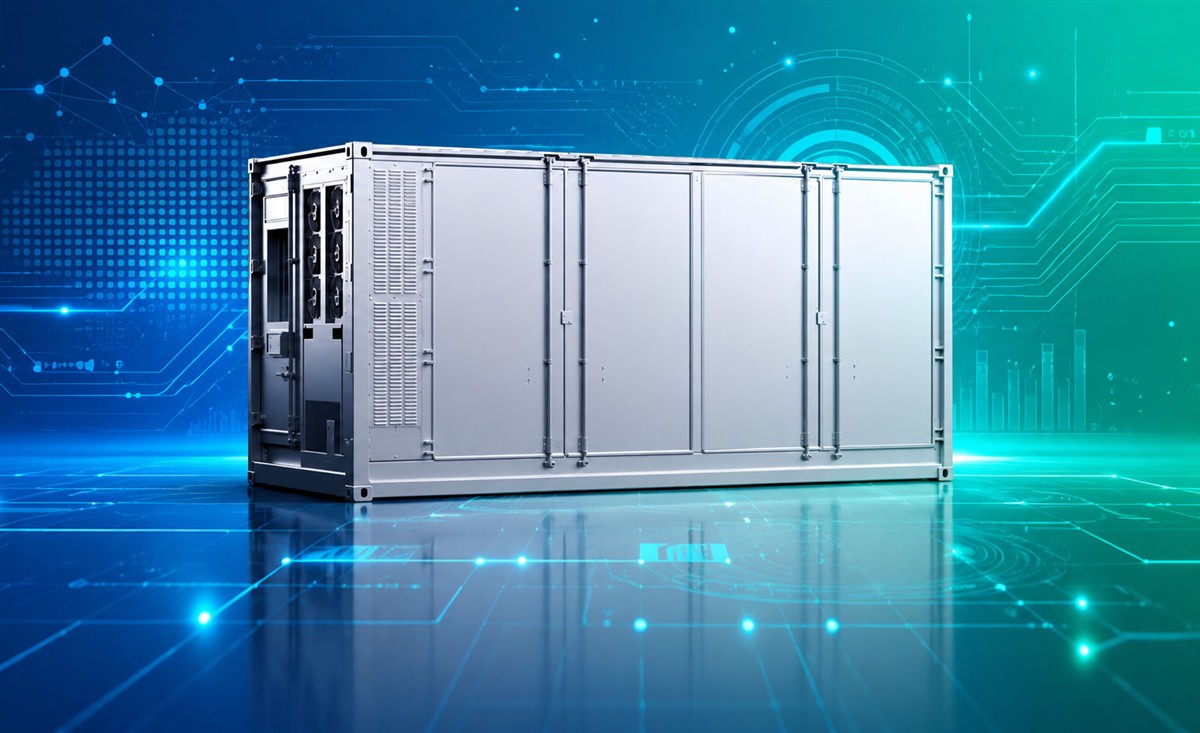
The global shift toward renewable energy is accelerating rapidly, yet a crucial challenge remains: ensuring grid stability. As wind and solar power become dominant components of our modern energy mix, their unpredictable nature poses a significant risk to network security. This is exactly where Sodium-Ion Batteries (SIBs) emerge as a transformative solution, filling the missing gap in our journey toward a truly sustainable future by offering an affordable and abundant alternative to traditional lithium options.
This critical need for grid resilience was thoroughly examined in the lectures of Professor Daniele Bosich at the University of Trieste (UniTS). As the energy landscape evolves, sodium-based storage units act as an essential buffer. They provide the necessary electrical inertia and capacity to mitigate supply fluctuations, enabling advanced energy management techniques like load shifting and peak shaving to securely balance power distribution.
At UniTS, research focuses closely on how the fundamental material properties of these batteries impact their commercial viability. Recent massive industry milestones, such as CATL’s landmark 60GWh agreements, clearly demonstrate that sodium technology has successfully transitioned from a theoretical laboratory concept into a scalable, market-ready reality.
The ultimate advantage of this technology lies in its chemical composition. Because sodium is universally available, relying on this highly accessible element drastically minimizes geopolitical risks within global supply chains. By leveraging existing manufacturing infrastructure and abundant raw materials, sodium-ion systems are effectively turning the vision of a completely carbon-neutral energy grid into a solid engineering achievement.